

Black History Month Sparks New Conversation on Identity, Economics, and Collective Power
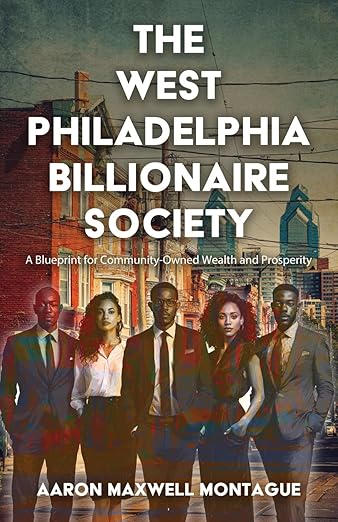
The West Philadelphia Billionaire Society (WPBS)
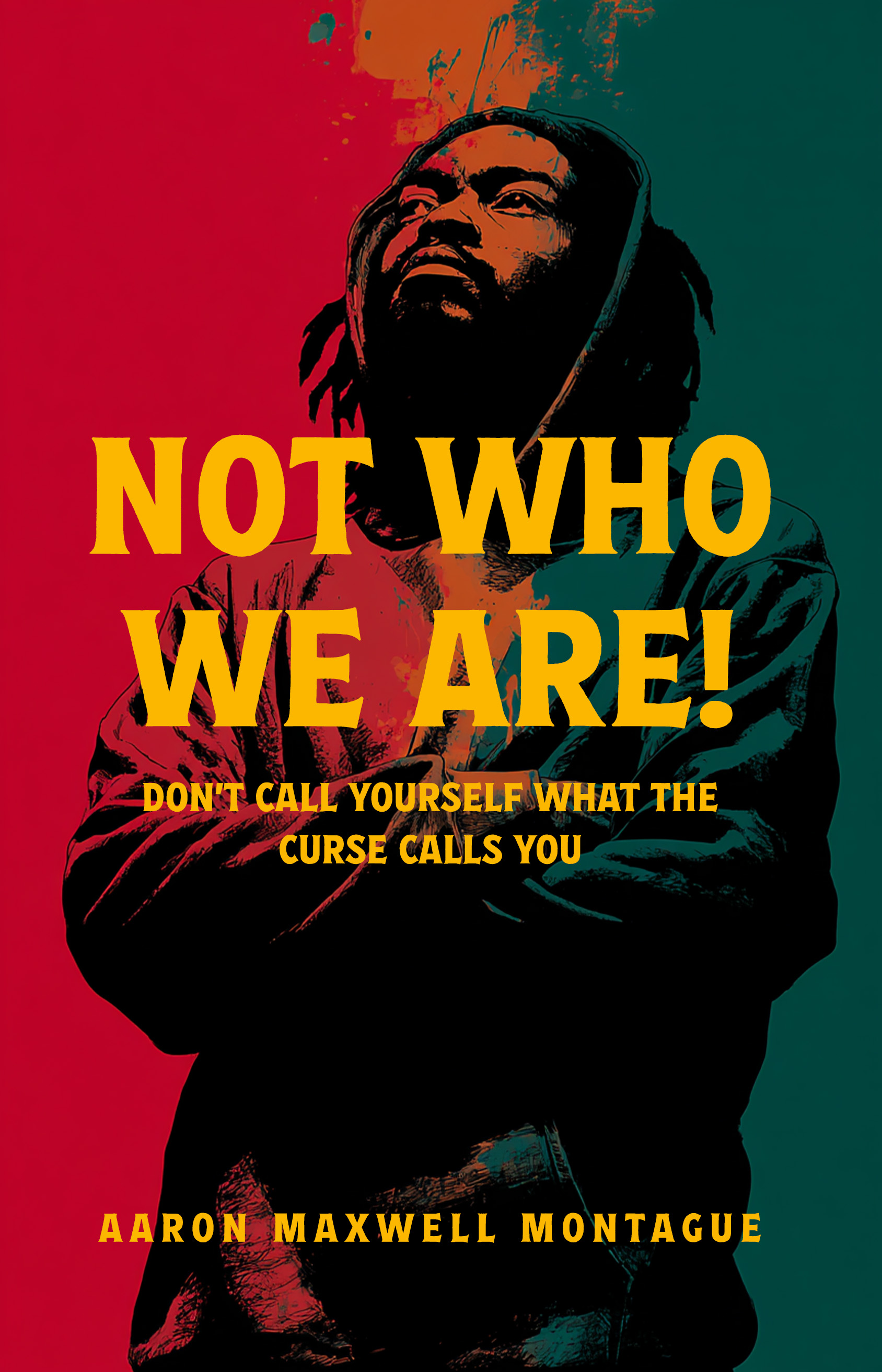
Thanks to Dr. Antonio Palmer for the creation of the Not Who We Are book cover
Two Thought-Provoking Books Challenge Identity, Economics, and Collective Power During Black History Month
Black history is not only what we survived—it is what we are building. Ownership is the next chapter, and the future is waiting on our collective yes.”
PHILADELPHIA, PA, UNITED STATES, January 16, 2026 /EINPresswire.com/ -- As Black History Month invites reflection on the past, two timely books are prompting a deeper national conversation about the future—one rooted not only in remembrance, but in responsibility, ownership, and redefinition.— Aaron Maxwell Montague
Author, educator, and community strategist Aaron M. Montague releases a paired cultural challenge through his latest works, The West Philadelphia Billionaire Society and Not Who We Are, both now gaining attention among readers, faith leaders, educators, and grassroots organizers across the country.
Rather than offering nostalgia or commentary alone, these books pose uncomfortable, compelling questions:
What if Black History Month wasn’t only about celebrating survival—but about mobilizing strategy?
What if identity itself has been shaped by inherited narratives that no longer serve us?
And what if collective wealth, not individual success stories, is the missing chapter in America’s unfinished promise?
The West Philadelphia Billionaire Society (WPBS) introduces a provocative economic thesis: that communities long defined as “underserved” already possess the collective spending power to build and own businesses, institutions, and infrastructure—if that power were organized intentionally. Using West Philadelphia as both case study and symbol, the book reframes wealth not as a distant dream, but as a cooperative discipline.
Not Who We Are, by contrast, works at the psychological and cultural level—challenging readers to interrogate labels, inherited limitations, and internalized narratives that quietly govern behavior. The book argues that before systems change, self-perception must be confronted—and reclaimed.
Together, the two works form a deliberate tension: one speaks to who we have been told we are; the other to what we could become if belief, behavior, and economics aligned.
Early readers describe the pairing as “disruptive,” “uncomfortable in the right ways,” and “less about motivation—and more about mobilization.”
As Black History Month programming expands across media platforms, Montague is making himself available for interviews, podcasts, panel discussions, and op-eds that explore themes including:
• Black economic agency beyond protest
• The psychology of inherited limitation
• Faith, identity, and wealth without prosperity clichés
• Community ownership as a civil rights strategy
• Why representation without infrastructure is incomplete
“These books are not about blame,” Montague says. “They’re about clarity. History tells us what happened. The question now is—what are we going to build with what we know?”
Both titles are currently available through MX3 Motivational Books, with growing interest from book clubs, churches, civic groups, and educational spaces seeking Black History Month content that looks forward as much as it looks back.
Media Contact
Aaron M. Montague
📧 aaron@mx3motivational.com
🌐 https://mx3motivationalbooks.com
Phone: +1 619 274 2304
About the Author
Aaron M. Montague, MBA, MDiv, PNLP, PTT, CCHt, CSC, is an author, faith-based educator, and community economic strategist. His work focuses on identity formation, collective wealth models, and cultural transformation through disciplined thinking and cooperative action.
Aaron Maxwell Montague
Montague Motivational Ministries (MX3)
+1 619-274-2304
Aaron@mx3motivational.com
Resolution 2026
Legal Disclaimer:
EIN Presswire provides this news content "as is" without warranty of any kind. We do not accept any responsibility or liability for the accuracy, content, images, videos, licenses, completeness, legality, or reliability of the information contained in this article. If you have any complaints or copyright issues related to this article, kindly contact the author above.
